
It is common to lose track of a pension after leaving an employer, changing email address or putting an annual statement somewhere “safe”. If you think Standard Life provided one of your workplace or personal pensions, you can normally start the search with a few basic details. Your plan number is helpful, but there are other routes if you no longer have it. This guide explains where to look and what to try next.
What is a “lost pension”?
A pension becomes “lost” when you no longer know how to access it or the provider cannot easily reach you. The pension itself remains linked to your plan and may stay invested, so its value can move up or down. Tracing it lets you update your details, review statements and include the pot in your wider retirement picture.
Reasons to Trace Your Standard Life Pension
You might want to trace your pension if:
A previous employer enrolled you into a Standard Life pension.
You remember contributing but cannot find your plan number.
Your postal or email address has changed since the plan was opened.
You are reviewing all of your retirement savings in one place.
Steps to Find Your Standard Life Pension
Register for Standard Life online servicing
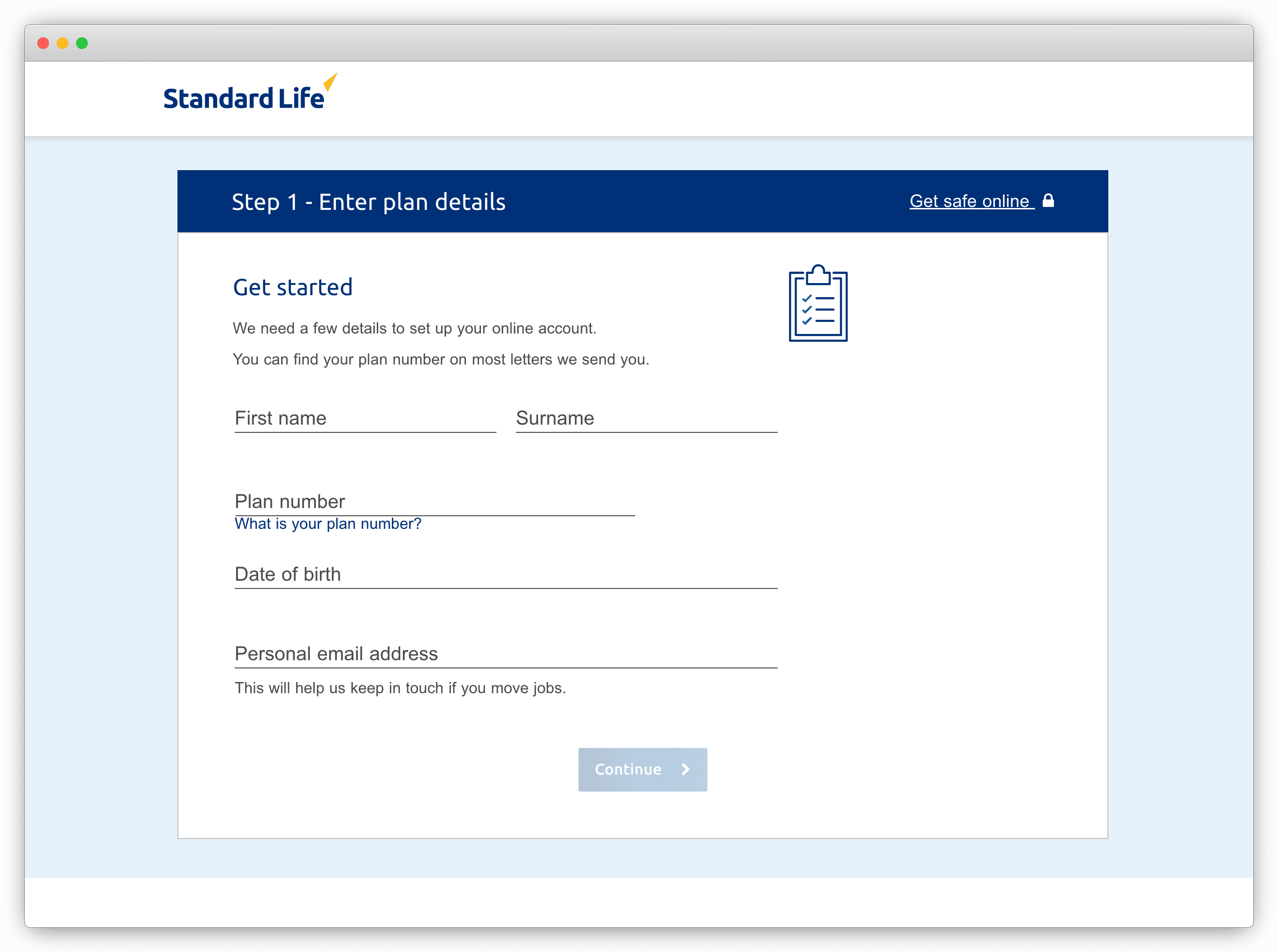
Visit Standard Life’s online servicing page and choose the option to register or log in. Once your plan is connected, the online service can show balances, documents and other policy information. Standard Life says your plan number is available in online servicing and is also normally printed near the top of your latest statement. If registration asks for a number you do not have, continue with the contact and paperwork steps below.
Contact Standard Life for help finding the plan
Use Standard Life’s official contact page to select the type of pension or service you need. The right route can depend on how the plan was opened. Have your full name, date of birth, National Insurance number, current and previous addresses, former employer and approximate employment dates ready. These details help the team distinguish you from customers with similar names and search older records.
Search statements, emails and old payslips
Look for Standard Life welcome letters, annual statements, contribution records or emails from your employer’s benefits team. Search digitally for “Standard Life”, “pension”, “plan number” and the name of your old employer. A former HR or payroll team may be able to confirm which provider ran the scheme and when your membership began, even where it cannot access the pension itself.
Use the Pension Tracing Service
If the pension came through work and you only remember the employer, search the government’s free Pension Tracing Service. It can identify scheme contact details from an employer or provider name. It will not confirm that you have a pension or show its balance; you must then contact the scheme and complete its identity checks. MoneyHelper’s tracing guidance can help you prepare.
Ask an adviser if the history is complicated
An independent financial adviser may be useful if several employers, providers or older policies are involved. They can request information with your permission and explain what you have found. Advice is normally a paid service, so check the likely cost before proceeding.
Use Penny (or a similar tracing service)
Penny can help search for old workplace pensions using details about you and your employment history. This can be convenient when you are not certain that Standard Life was the provider, or when you have several jobs to check. Occasionally a provider or employer will still need extra information before it can confirm a match.
Ready to Find Your Standard Life Pension?
If you have a statement, start with the plan number and online servicing. If not, gather the names and dates of your previous employers before contacting Standard Life or using the Pension Tracing Service. You do not need every detail to begin: one old email, payslip or address can provide the clue that reconnects you with the plan.
Penny can help
Download the Penny Pension app
Find your old workplace pensions
Manage your pensions in one app