If you opened a Prudential pension years ago—or joined one through work—the paperwork may now carry names or web addresses you do not immediately recognise. Prudential is part of M&G plc, and current online and customer-support journeys can appear under Pru or M&G branding. That does not mean your pension has disappeared. With a plan number, an old statement or a little employment history, you can start tracing it.
What is a “lost pension”?
A lost pension is a policy you still own but are no longer actively monitoring. It may happen after a house move, a job change or a long gap between statements. The money remains associated with the plan and may still be invested, which means the value can fall as well as rise. Finding the policy gives you an accurate record and lets the provider update its contact details.
Reasons to Trace Your Prudential Pension
You might want to trace your pension if:
You remember a Prudential or Pru pension but have no recent correspondence.
An old employer arranged the plan and you have since changed jobs.
You are unsure why recent pages or letters mention M&G.
You want to understand every pension included in your retirement plans.
Steps to Find Your Prudential Pension
Try the Pru online service
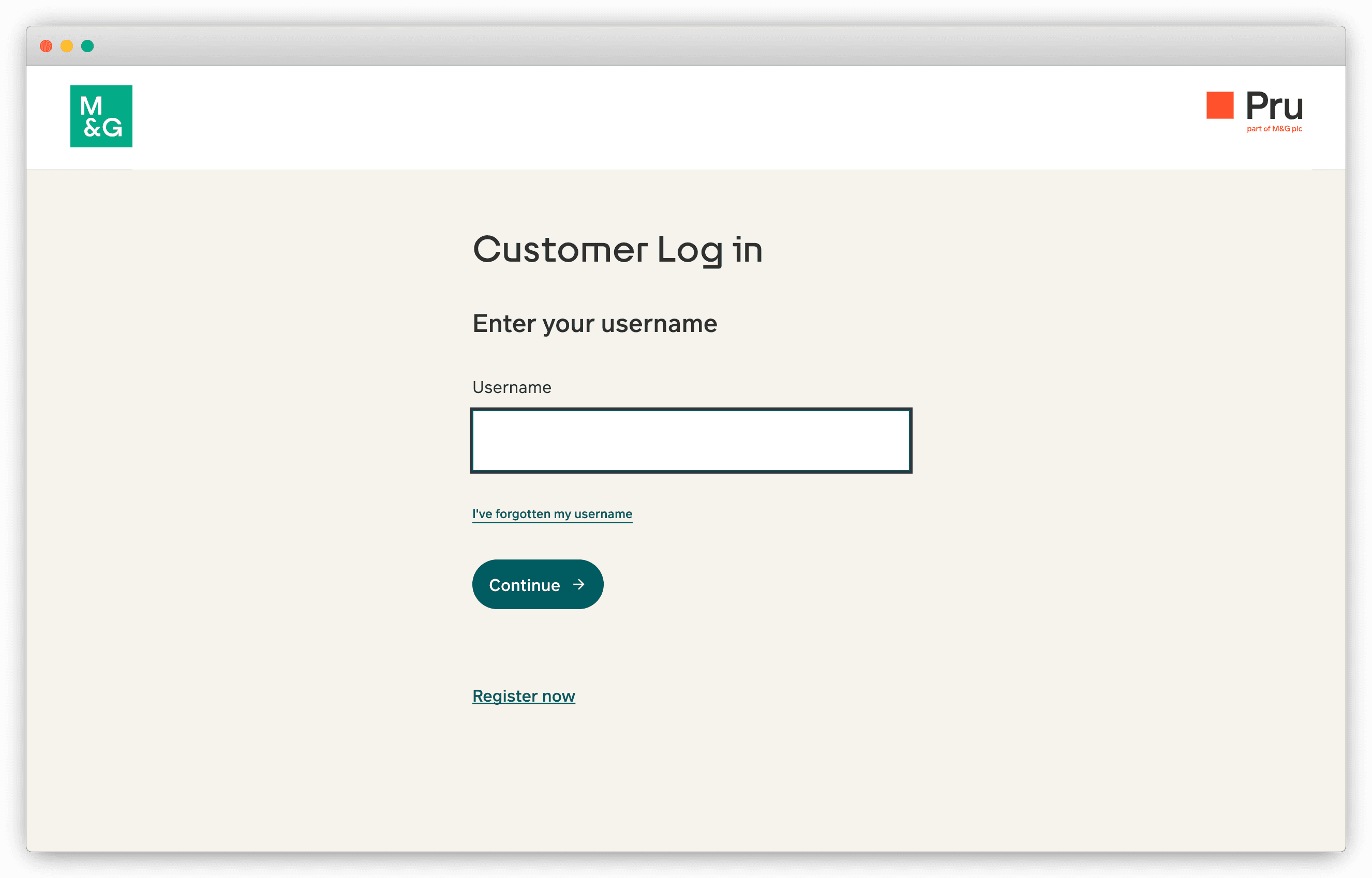
Go to the official Pru customer login and choose the registration option if you have not used the service before. Your plan or policy number is usually shown on Prudential statements and letters. Online access is not available for every product, so check the page carefully and do not treat an unsuccessful registration as proof that no plan exists.
Follow the contact route for your product
Prudential’s contact page separates support by product because different teams look after different types of pension and policy. Use any wording from an old statement to choose the closest option. If the product is unclear, begin with Prudential’s existing-customer page. Have your name, date of birth, National Insurance number, previous addresses and policy number—if known—available for identity checks.
Look for the plan number and original employer
Search paper files and email for “Prudential”, “Pru”, “M&G”, “policy number”, “plan number” and the employer that arranged the pension. Annual statements, welcome packs and old payslips can all help. If it was a workplace scheme, the employer’s HR or payroll team may know the formal scheme name and provider contact details.
Search the government tracing service
The free Pension Tracing Service is useful when you know the employer or provider name but not who now administers the scheme. It returns contact details rather than personal pension records, so you will still need to approach the scheme directly. MoneyHelper’s lost-pension guide lists the information a provider may ask for.
Use a financial adviser where appropriate
An independent financial adviser can help with a search involving several older policies and request information once you give authority. They can also explain the features of a pension after it is found. Advisers charge for their work, so agree the scope and fee first.
Use Penny (or a similar tracing service)
If you have gaps in your employment record or are not sure Prudential was the provider, Penny can help search for workplace pensions from your personal and employment details. It can make a multi-provider search easier, although the provider may request additional evidence before confirming an old plan belongs to you.
Ready to Track Down Your Prudential Pension?
Start with the most specific clue you have: a policy number, an employer name or an old address. The Pru/M&G branding can look unfamiliar, but the official pages above lead to Prudential’s current services. Work through the routes in order, keep a note of who you contact and avoid sharing personal information until you are sure you are dealing with the provider or scheme administrator.
Penny can help
Download the Penny Pension app
Find your old workplace pensions
Manage your pensions in one app